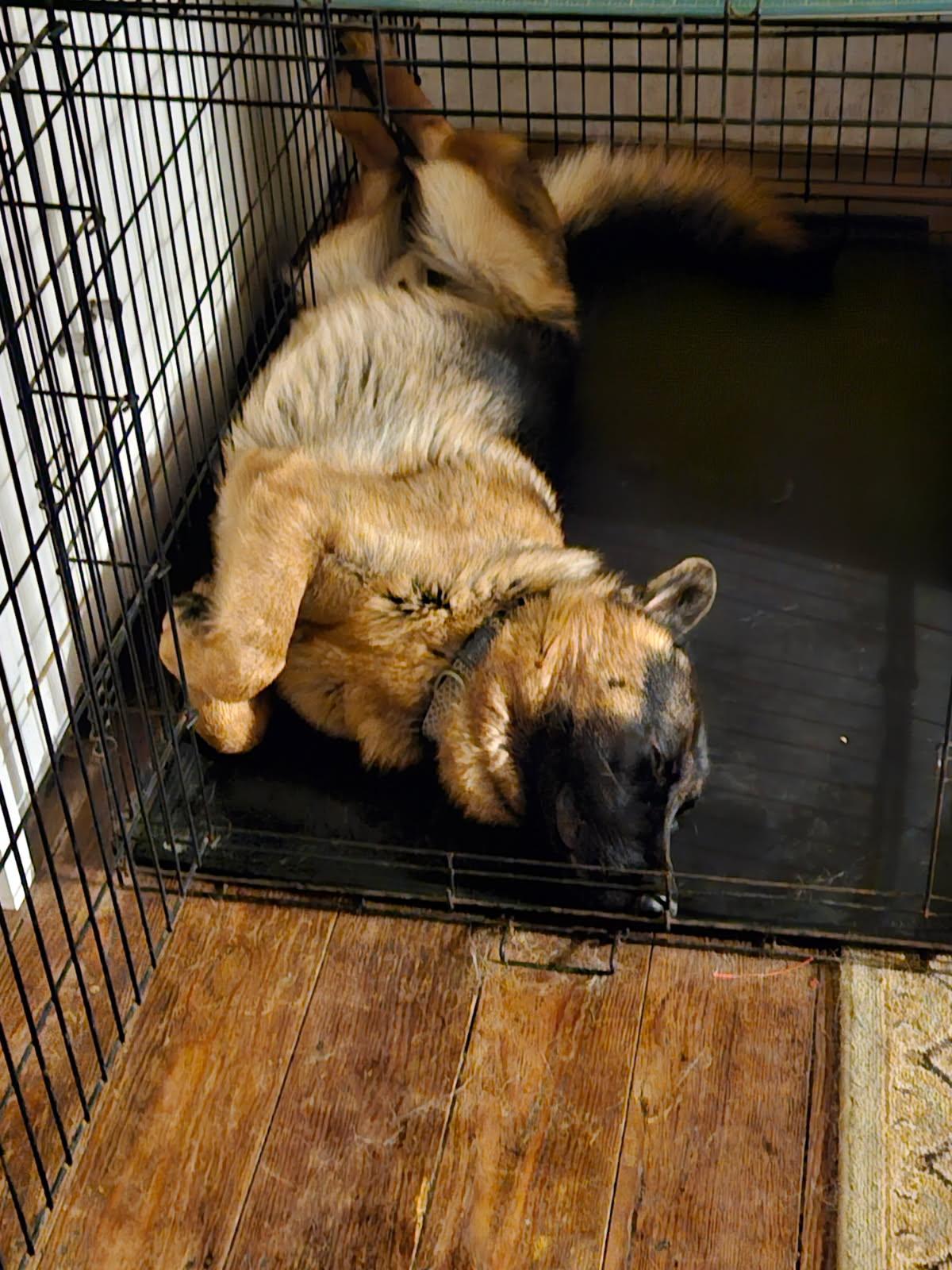
A career in Emergency Medical Services is not simply a job; it is a lifetime of moments most people never witness and could not imagine. You learn early that EMS is built on urgency—sirens cutting through the night, split-second decisions, and the constant tension between life and death. Over time, those moments accumulate. You become skilled at managing chaos and performing under pressure, but nothing in your training prepares you for the emotional toll. What sustains you is not found in protocols or textbooks. It is waiting for you at home, tail wagging, ready to remind you that you are still human.
In EMS, emotional armor becomes second nature. You are taught to remain calm, detached, and efficient no matter how horrific the scene. That detachment helps you function, but it does not protect you forever. Over the years, the weight of repeated trauma—fatal accidents, overdoses, child deaths, suicides, and sudden losses—begins to settle into your nervous system. You carry it home whether you intend to or not. Dogs can become the quiet force that absorbs what the job takes from you.
Pause and Acceptance
After long shifts filled with sirens and suffering, coming home to your dogs brings immediate relief. They do not ask what went wrong or whether you could have done more. They do not need explanations or reassurances. They greet you with unfiltered joy, whether your shift ended in success or heartbreak. In their eyes, you are not measured by outcomes or mistakes. You are simply theirs. That unconditional acceptance restores a sense of worth that EMS slowly erodes.
The physical connection matters more than you realize. Sitting on the floor, feeling a dog lean against you, running your hand through familiar fur—these moments calm your nervous system in ways words cannot, in ways a therapist cannot. Your breathing slows. The adrenaline fades. The mental replay of calls begins to soften. Without knowing it, your dogs lower your stress hormones and pull you out of survival mode. When your mind wants to stay on scene, they anchor you in the present.
Rhythm
Your dogs also give you structure in a profession that thrives on disruption. EMS schedules ignore holidays, sleep cycles, and personal plans. Shift work blurs days together, and exhaustion becomes routine. Your dogs do not care about your rotation; they need food, walks, and attention. That responsibility creates rhythm. Walking them after a difficult shift becomes a ritual—a transition from chaos to calm. Each step helps you leave the job behind, even if only temporarily.
Emotionally, your dogs offer something rare in EMS culture: a space where vulnerability is safe. You are surrounded by people who cope through dark humor and emotional distance. Admitting pain feels risky. With your dogs, there is no expectation to be strong or composed. You can sit quietly, numb or overwhelmed, and they stay. They do not rush you or demand explanations. Their presence gives you permission to feel without fixing.
Over time, you begin to notice that your dogs understand you better than most people. On the hardest days, they stay closer. They ask for less and offer more. They sense when your energy shifts, when something is off, even if you cannot name it yet. Their intuition becomes an early warning system. If they notice, maybe you need to pause, breathe, or acknowledge that you are not okay. In a career that encourages you to push through everything, your dogs remind you to check in with yourself.
The Present
Your dogs also reconnect you to joy. EMS exposes you to the worst moments of humanity, and over time, that lens can distort how you see the world. You begin to expect tragedy. Your dogs live entirely in the moment. A walk, a toy, a car ride—these small things are enough. Their excitement is genuine and contagious. Even when emotional fatigue dulls your ability to feel, their joy cuts through. They remind you that life still contains goodness, playfulness, and wonder.
As the years pass, you’ll watch colleagues struggle. Some burn out. Some self-medicate. Some leave the profession broken, and some never leave at all. You realize how thin the line is between coping and collapsing. Your dogs give you something to come home to—something that exists beyond the uniform and the badge. They give you purpose that is not tied to saving lives. They allow you to take off the superhero cape. On days when the job makes you question humanity, they restore your belief in loyalty, trust, and love.
Looking Back
Looking back on your career, it will become clear that your dogs were not just companions; they were essential. They absorbed stress you could not express, softened grief you could not process, and steadied you when the weight of the job threatened to overwhelm you. While EMS taught you how to save others, your dogs taught you how to survive yourself. They showed you that healing does not always come from talking, analyzing, or understanding. Sometimes, it comes from presence, routine, and unconditional love. In a profession defined by trauma, your dogs were the constant, quiet force that preserved your mental health—and possibly your life.
Dogs save Heroes!